 Harriet Turner
A feline case based approach to one of the most common (and most confusing) clinical signs
Polyuria and polydipsia (PU/PD) are among the most frequent concerns raised in veterinary consultations and diagnosing PU/PD in cats remains one of the most challenging presentations to approach with confidence.
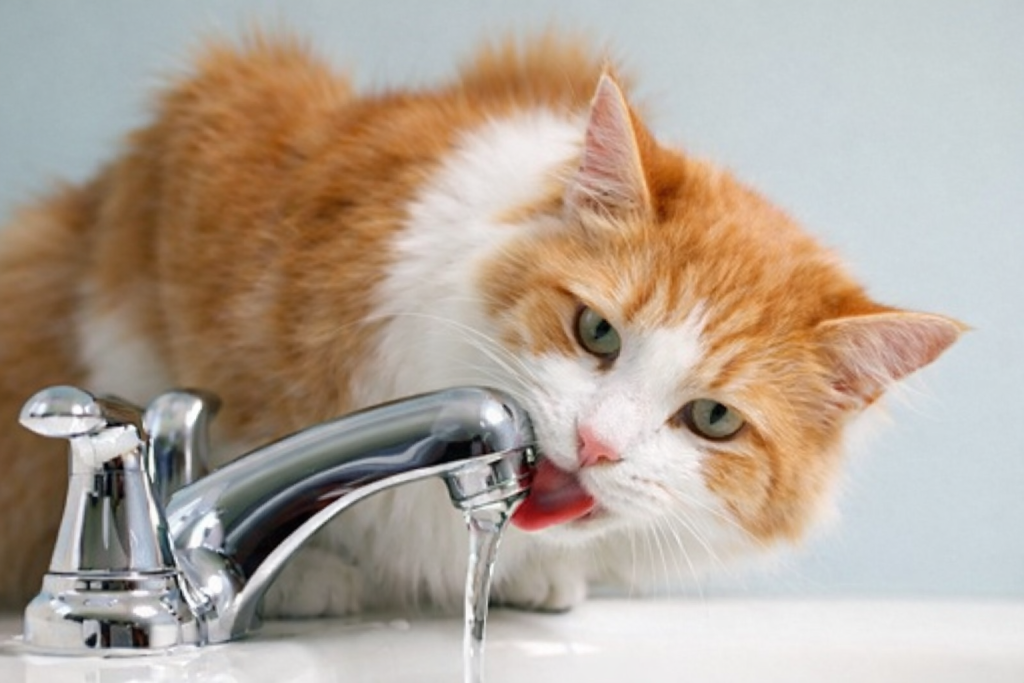
A cat that seems to drink constantly. An owner worried about kidney disease. A urine sample that doesn’t quite fit the picture. And a differential list that can feel endless.
PU/PD may appear straightforward at first glance but as many clinicians know, it often raises more questions than answers.
That is exactly why this VSA webinar was created.
Diagnosing PU/PD in Cats: A Structured Clinical Approach
In this session, Antoine Duclos — an EBVS® European Specialist in Internal Medicine — guides veterinary teams through a practical, structured way to approach PU/PD cases, using a real feline referral case to demonstrate how to think clearly, avoid common pitfalls and move step-by-step toward the right diagnosis.
Why PU/PD Cases Are So Easy to Misinterpret
One of the most valuable points raised early in the webinar is that not every patient reported to be “urinating more” is truly polyuric and not every pet that drinks more is genuinely polydipsic.
Changes in diet, behavioural patterns, inappropriate urination or gastrointestinal water loss can all mimic PU/PD. Before jumping into endocrine testing or imaging, the first priority is confirming that the clinical sign is real and measurable.
This simple principle can prevent unnecessary investigations and help clinicians stay focused on the cases that truly require a deeper work up.
Case Spotlight: Scaramouche the Cat
The webinar centres around Scaramouche, an eight month old domestic shorthair cat with PU/PD reported since adoption.
Through this case, Antoine demonstrates how challenging early onset PU/PD can be. Juvenile kidney disease, congenital portosystemic shunts, diabetes insipidus, behavioural polydipsia — all remain possible considerations early on.
The session shows how even mild abnormalities, such as borderline urea or SDMA values, must be interpreted carefully within the bigger clinical picture, rather than taken in isolation.
The Cornerstone of the Work Up: Urine Specific Gravity
If there is one clinical takeaway that comes through unmistakably, it is this:
Urinalysis and particularly urine specific gravity, is the foundation of PU/PD investigation.
Antoine explains how USG provides an immediate window into what the kidneys can and cannot do and how it helps clinicians narrow the differential field quickly.
Rather than relying on memorised lists of causes, the webinar teaches how urine concentration patterns reflect underlying mechanisms – from diabetes insipidus to osmotic diuresis, chronic kidney disease or medullary washout.
This approach brings clarity to a clinical sign that often feels overwhelming.
A Mechanistic Approach That Builds Confidence
What makes this session especially valuable is that it is not simply a catalogue of differentials.
Instead, Antoine walks through the physiology of water balance in a way that directly supports clinical reasoning. By understanding how ADH, renal tubules, solutes and medullary tonicity interact, clinicians can interpret diagnostics more effectively and avoid missed or delayed diagnoses.
It is referral level insight delivered in a way that remains practical for everyday first opinion practice.
Who Is This Webinar For?
This session is designed for veterinary professionals managing PU/PD cases in practice, particularly those working through complex feline presentations or seeking a clearer, more consistent diagnostic framework.
Whether you are early in your clinical career or simply want a more structured approach to these challenging consultations, this webinar provides guidance you can apply immediately.
Access the Full Webinar on Diagnosing PU/PD in Cats
This blog only introduces the themes explored in the session.
To watch the full webinar, pop your details into the form below and full access will be emailed straight to you.
About Veterinary Specialist Advice (VSA)
Veterinary Specialist Advice supports veterinary professionals through specialist led telemedicine case guidance, detailed clinical reporting and ongoing educational resources.
Through our F.E.T.C.H. platform, members can access webinars, Journal Club discussions, practical handouts and CPD focused learning designed to support everyday practice under RCVS requirements.
Specialist insight, right when you need it — wherever you are.