 Harriet Turner
A practical, step-by-step webinar for interpreting blood gases with confidence
Blood gas analysis in veterinary practice is becoming an increasingly valuable tool for assessing critically ill patients, yet many clinicians feel unsure about how to interpret the results with confidence.
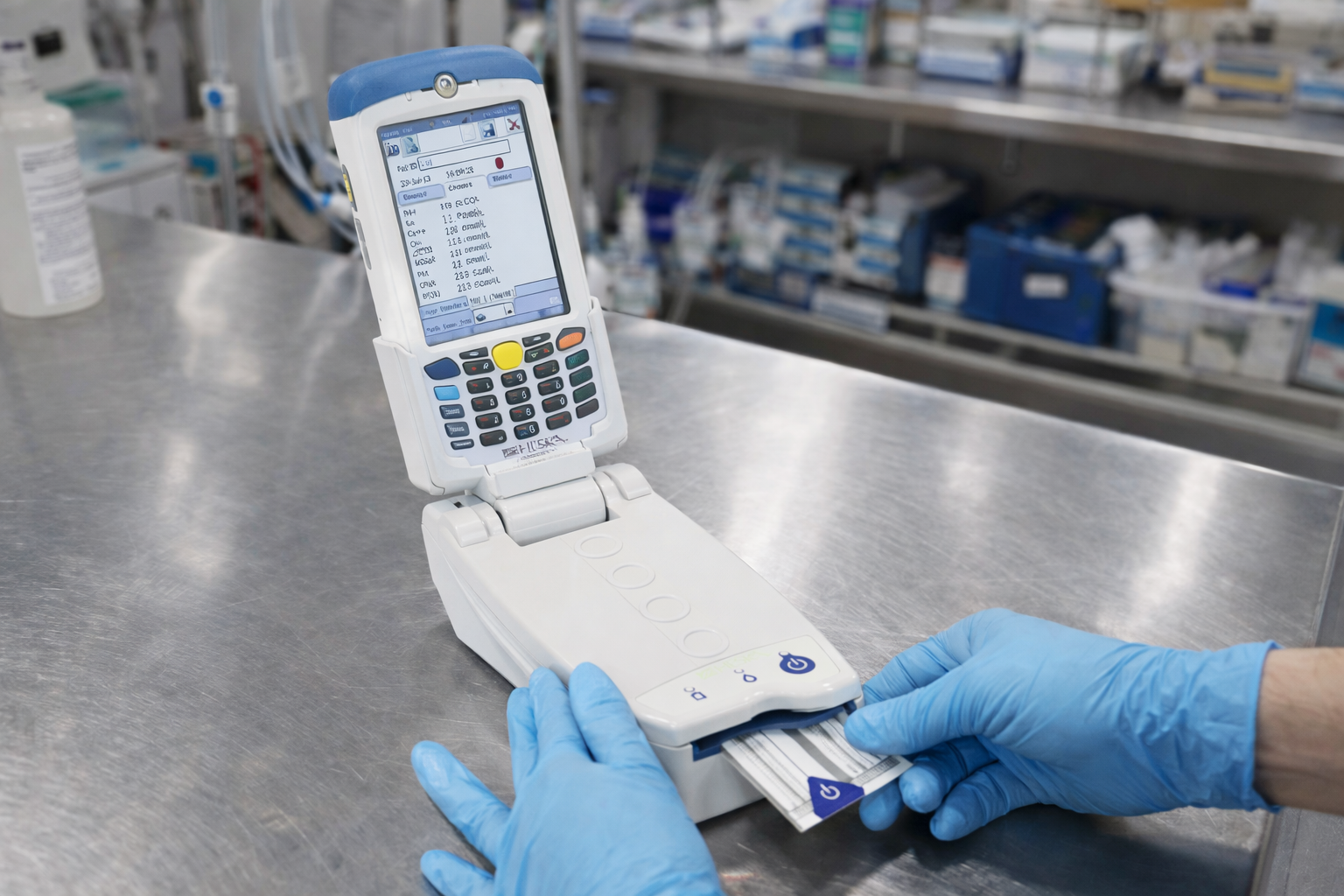
While modern blood gas analysers provide rapid insight into oxygenation, ventilation and acid base balance, understanding how to apply these parameters clinically requires a solid grasp of underlying physiology and a structured approach to interpretation.
What This Webinar Covers
In this session, Daisy Norgate walks through blood gas analysis from the ground up, starting with what a blood gas actually tells you, then building into acid base physiology in a way that directly supports real clinical decision making.
You will learn when a venous blood gas is sufficient, when an arterial sample adds real value (particularly for oxygenation) and how to avoid common sampling pitfalls that can distort results.
Most importantly, you will be taught a systematic interpretation framework you can apply every time, so you are not relying on guesswork or vague pattern recognition under pressure.
Why Blood Gas Analysis Matter in Everyday Practice
Blood gases are not just for referral hospitals or ICU settings. They are highly practical in first opinion work – especially in cases where a “standard” biochemistry/haematology panel either takes too long or does not answer the immediate question.
The webinar explores how blood gases can support clinical decisions in situations such as suspected acid base derangement, inadequate ventilation, hypoxaemia and common emergency presentations where trends matter more than one off values.
Daisy also explains why serial blood gases are often more useful than a single snapshot because improvement (or deterioration) over time is frequently the most clinically meaningful information.
Venous vs Arterial: What You Can (and Can’t) Conclude
One of the most reassuring takeaways from this session is that venous blood gases remain extremely useful, even if you do not routinely take arterial samples.
Venous blood gases can tell you a great deal about acid base status and ventilation (via CO₂), and they are often the most practical first step in practice. Where venous samples fall short is in evaluating oxygenation because venous oxygen values do not reliably represent pulmonary oxygen transfer.
Arterial sampling, meanwhile, becomes valuable when you need a true oxygenation assessment – for example in respiratory disease, suspected aspiration pneumonia or significant circulatory compromise.
The Interpretation Framework You Can Use Every Time
Rather than presenting blood gas interpretation as “lots of numbers to remember”, this webinar gives you a reliable step-by-step approach:
Start with pH to identify acidemia vs alkalaemia, then use bicarbonate/base excess and CO₂ to determine whether the primary disturbance is metabolic or respiratory and finally assess compensation and clinical relevance. If your sample is arterial, oxygenation is assessed by evaluating PaO2 in relation to the fraction inspired by oxygen.
This method makes it much easier to spot mixed disturbances, recognise compensation masking an abnormality and know when the situation is genuinely urgent (for example, profoundly low pH, severe hypoxaemia, or combined metabolic + respiratory acidosis).
Common Sample Errors That Can Mislead You
Blood gases are only as useful as the sample you run and Daisy highlights a few practical “don’ts” that can change results dramatically.
Air bubbles, delays in analysis and heparin dilution can all skew values in predictable directions. Understanding these patterns helps you avoid interpreting an artefact as a clinical emergency or missing a real one.
Case Examples That Bring It to Life
The webinar finishes with real life clinical examples that walk you through interpretation using the exact framework taught earlier – including patterns consistent with DKA, hypoventilation under GA, hypoxaemia on room air and mixed disorders that can push pH into dangerous territory.
These examples are where everything clicks into place and where the “tools” become something you can actually apply on shift.
Who This Webinar Is For
This session is built for veterinary professionals who want to feel more confident using blood gases in practice whether you are new to the analyser, using it occasionally or wanting a clearer framework for interpretation.
It is particularly useful for teams managing emergencies, critical care patients, anaesthesia cases and any scenario where acid base status and ventilation matter.
Access the Full Webinar Recording
This blog is only a teaser of what is covered in the full session.
To watch the complete webinar, pop your details into the form below and we will email you full access.
Enter your name and email to receive the complete recording.
About Veterinary Specialist Advice (VSA)
Veterinary Specialist Advice supports veterinary teams through specialist led telemedicine case guidance, detailed clinical reporting and ongoing educational resources.
Through our F.E.T.C.H platform, members can access webinars, Journal Club discussions, practical handouts and CPD-focused learning designed to support everyday practice under RCVS requirements.
You can also continue learning on the go through the VSA F.E.T.C.H YouTube Channel, where specialist led education is made freely accessible. Featuring a wealth of webinars that allow veterinary professionals to stay up to date with current thinking and referral level knowledge wherever they are.
Specialist insight, right when you need it — wherever you are.