 Harriet Turner
Managing wounds is a routine yet often challenging part of wound management in veterinary practice, frequently carried out under time pressure and without a clear, structured plan.
In this specialist led webinar, Andrea Galliano, a member of the VSA Surgical team, with extensive experience in orthopaedic surgery, soft tissue surgery and surgical oncology, shares a practical, real world approach to wound management. The kind of guidance that comes from years in referral centres, not just textbooks.
Rather than delivering a purely academic lecture, this session focuses on what actually works in day-to-day practice, offering clear reasoning, practical tips and honest reflections on common challenges commonly encountered in wound management in both dogs and cats.
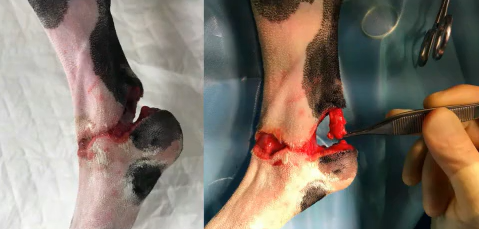
A strong emphasis is placed on visual learning, using clinical photographs, videos and real-life case examples wherever possible to illustrate key concepts and decision making processes in a clear and memorable way.
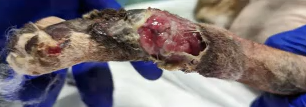
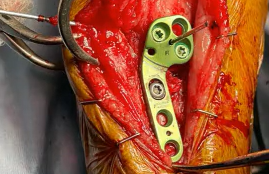
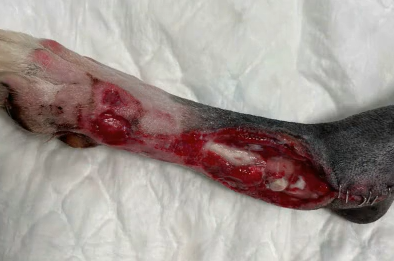
What this webinar on Wound Management covers
This first session in a planned three-part series focusing on wound management in veterinary practice focuses on open wound management, laying the foundations for more advanced surgical reconstruction techniques in future webinars.
You’ll learn about:
- The biology of wound healing – explained simply and clinically, without unnecessary complexity
- Key differences between dogs and cats in wound strength, granulation tissue formation, healing speed and complications.
- The stages of wound healing and how understanding them directly improves clinical decision-making
- Common local and systemic factors that delay healing, from perfusion issues to endocrine disease
- A practical classification of wounds designed to guide treatment decisions, not just terminology
Practical guidance you can apply immediately
A large portion of the webinar focuses on systematic, step-by-step wound management, including:
- Effective techniques for haemostasis, from simple pressure to tourniquets and haemostatic agents
- A structured approach to wound assessment and first aid, including cleaning, flushing, debridement and appropriate sampling
- Common mistakes seen in referred cases, particularly around inadequate wound preparation
- A practical approach to bandaging, covering different bandaging techniques, commonly used materials and clear clinical reasoning on which bandage to apply, when to change it and how the bandaging strategy should evolve as the wound heals
- Practical tips that save time, reduce complications and improve outcomes in both dogs and cats
Throughout the session, concepts are reinforced using clinical images, videos and real referral cases, helping bridge the gap between theory and everyday practice.
This is the kind of guidance that helps you look at a wound and think:
“I know exactly what to do next.”
Who is this webinar for?
- Veterinary surgeons managing wounds in first-opinion practice
- Clinicians dealing with challenging or slow-healing feline wounds
- Teams seeking referral-level insight without referral-level complexity
- Anyone looking to improve confidence and consistency in open wound management
Access the full webinar
This post only scratches the surface of the clinical insight shared in this session.
To watch the full webinar, pop your details into the form below and full access will be heading your way.
This webinar is part of FETCH – VSA’s education platform for veterinary professionals, offering practical clinical guidance, specialist led webinars, journal clubs, downloadable resources and CPD aligned learning designed to support everyday practice.
Every case is a chance to grow and every wound tells a story.
Follow VSA on LinkedIn for specialist-led insights, clinical education, and updates from the VSA team.